Guide · Before you hire
How to choose a web developer without regrets.
I sell web development, so read this with that in mind. But a lot of my clients came to me after a bad experience: the site was registered in someone else's name, the developer vanished, or nobody could tell whether it ever brought in a customer. These are the questions I'd ask anyone before signing — including me.
Freelancer, small studio or big agency?
There's no single right answer. What matters is that the person you talk to is the person doing the work — or that you know exactly who will.
| Freelancer | Small studio | Large agency | |
|---|---|---|---|
| Price | Lowest | Mid-range | Highest |
| Who you talk to | The person writing the code | Usually the designer or developer | An account manager |
| Main risk | They disappear or have no backup | Limited capacity if the project grows a lot | Your project ends up with a junior team |
| Best for | Small, well-defined projects | Custom sites and platforms with direct contact | Large projects with many stakeholders |
What questions should you ask before hiring?
- 01
Can I see live projects?
Not screenshots or mock-ups — links you can open on your phone today. If a project "isn't up anymore", ask why.
- 02
Who will actually do the work?
The person you're talking to, or a subcontractor? Either can be fine, but you have a right to know.
- 03
What exactly does the price include?
Get it in writing: pages, features, copy, photos, integrations, number of revision rounds and what's out of scope.
- 04
Whose name are the domain, hosting and accounts in?
The right answer is "yours, from day one." More on that below.
- 05
What happens after launch?
Who fixes bugs, how fast, and what a change costs. If there's a monthly plan, what it covers.
- 06
How will I know it's working?
A good website is measured: inquiries, quote requests, sales. Ask what you'll be able to see and how often.
- 07
When do I see something?
Be wary of projects where you pay everything and see the result at the end. Ask for a prototype or progress before the second payment.
What are the red flags?
- They want 100% upfront on a project that takes weeks.
- They can't show you a single live project.
- The domain or hosting gets registered in the developer's name "to keep things simple."
- They promise "#1 on Google" or guaranteed results.
- Nothing is in writing: no scope, no timeline, nothing about what happens if things go wrong.
- They can't explain in plain language what you're buying.
- The price is so low it can't cover what they're promising.
What should be registered in your name?
This prevents more problems than anything else, and it's the most overlooked:
- Your domain (yourbusiness.com), registered with your email and your details. If it's in the developer's name, it's technically theirs.
- Hosting or the platform the site runs on, with admin access for you.
- Third-party accounts: Google Search Console, Google Analytics, Google Business Profile, WhatsApp Business, your payment processor. All owned by your email; the developer gets invited as a user.
- The code and your customer data, with the ability to export them or move to another provider.
At Sistema 24 every project works this way: the domain, accounts and data belong to the client from day one, and it's written into the proposal.
What should the contract or proposal say?
You don't need a 30-page contract, but you do need a clear document. This isn't legal advice — rules vary by state and country, so have a lawyer review anything high-stakes — but at a minimum it should cover:
- Detailed scope: which pages, features and integrations are included, and which aren't.
- A fixed price and payment by milestones (for example, 50% to start and 50% on delivery).
- Timelines per stage and what happens if either side causes a delay.
- How many revision rounds are included.
- Ownership: domain, code, designs and data transfer to the client once paid.
- What post-launch support includes and for how long.
- How the relationship ends and how access is handed over if you switch providers.
How much should it cost?
It depends on what you need — a landing page doesn't cost what a platform with accounts and payments does. For reference, at Sistema 24 a landing site runs $1,500 – $3,000, a business website $3,500 – $7,000 and a custom platform $8,000 – $25,000. See what each range includes on the website cost page.
More than the number, compare what each proposal includes. A cheap site that doesn't show up on Google, isn't wired to your phone and doesn't alert you when someone reaches out can end up costing more than one built properly.
How I work (so you can compare)
If you want a benchmark: a free 30-minute assessment, a proposal with fixed scope and price, 50% upfront and 50% on delivery, a branded prototype in 72 hours before the second payment, and everything in your name. I'm based in Chile and work with US and UK clients remotely, with prices in US dollars. You can review live projects before deciding, such as CIVI Propiedades or Instituto Bíblico del Sur. More on custom web app development.
Still not sure whether you need an app or a website? Read web app vs native app.
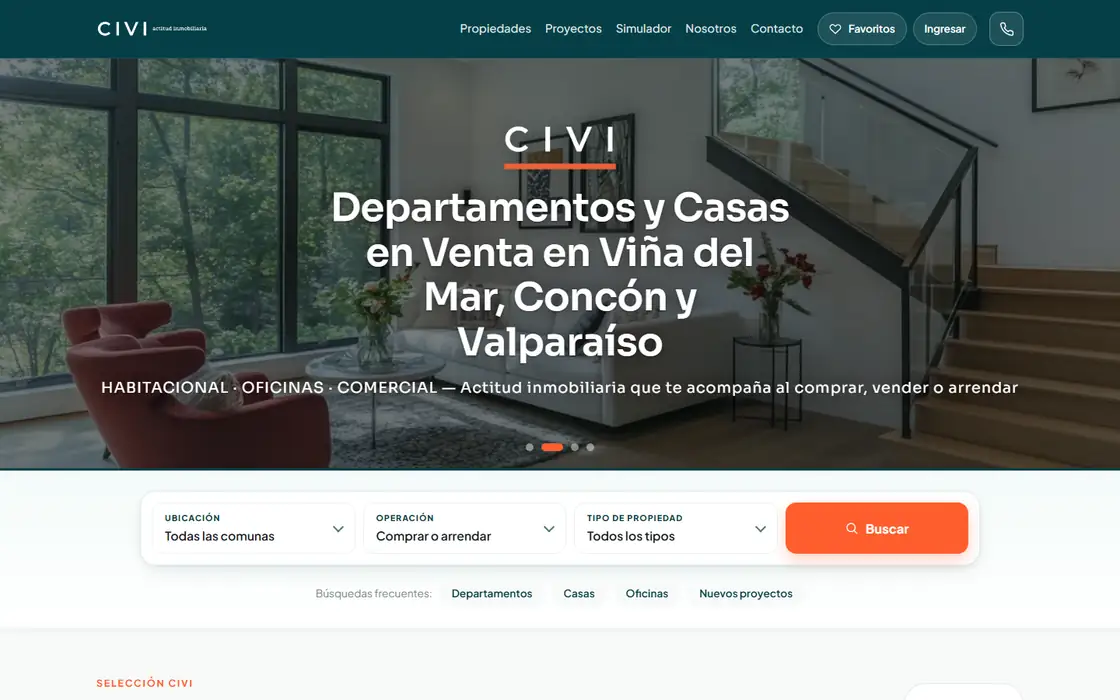 Real estate · BrokerageCIVI PropiedadesA Chilean real estate brokerage with its own property search, calculator, valuation tool and lead panel.Read the case study →
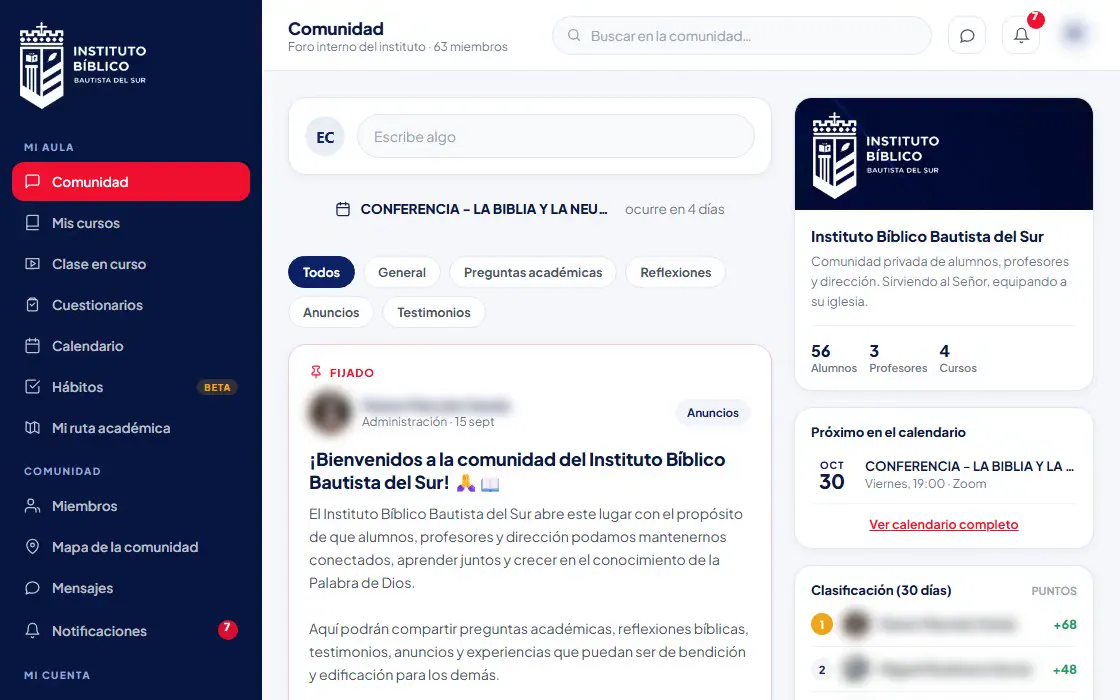 Education · PlatformInstituto Bíblico del SurA Bible institute with students in many cities: online admissions, role-based campus, fees and library.Read the case study →
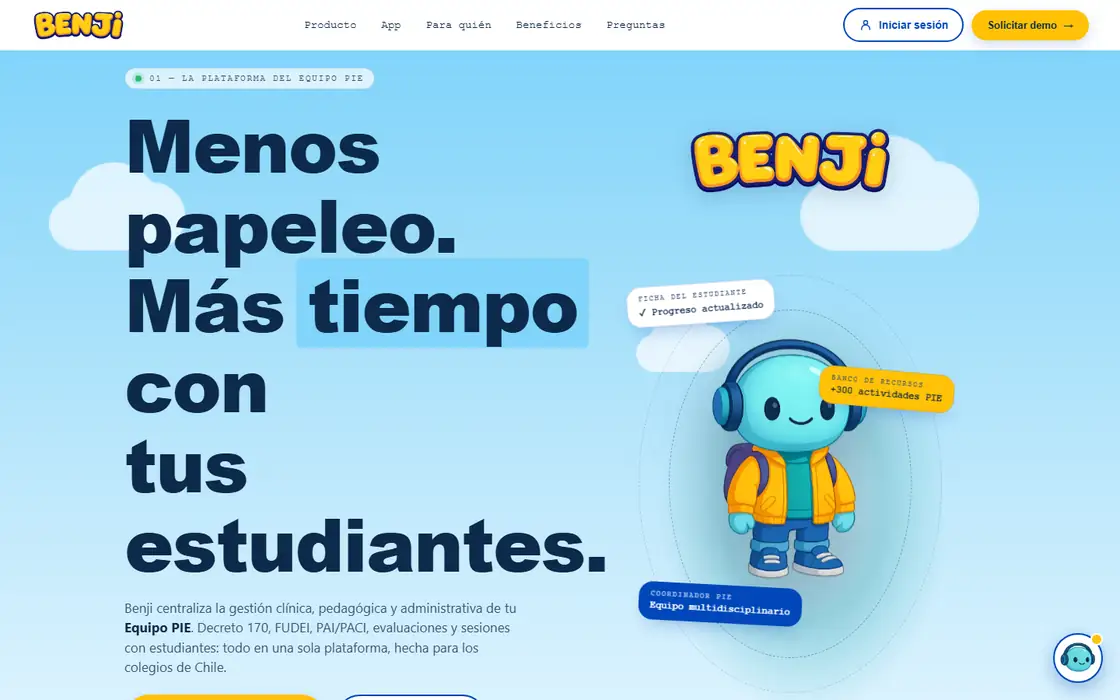 Education · PlatformBenjiPlatform for school special-education (PIE) teams in Chile: less paperwork, more time with students.Read the case study →
FAQ
Frequently asked questions
Is it better to hire a freelancer or an agency?
It depends on the project. A freelancer or small studio gives you direct contact and a lower price; a large agency has more people for complex projects. What matters is knowing who does the work and keeping everything in your name.
How much is normally paid upfront?
Paying by milestones is common, for example 50% to start and 50% on delivery, or in stages for larger projects. Paying 100% before seeing anything is a red flag.
What if my domain is registered to my previous developer?
Ask them in writing to transfer it to you. Domain registrars have a process for changing the registrant or transferring the domain; until it's done, your website depends on that person.
How can I tell if a developer is good if I'm not technical?
Open their projects on your phone: do they load fast, make sense in three seconds, and make it easy to contact the business? Ask what results they measured and whether you can talk to a past client.
What should post-launch support include?
At minimum, bug fixes for a defined period. New features, maintenance and SEO usually come in a separate monthly plan; ask exactly what's included and what it costs.
Keep reading
Let's talk.
Free 30-minute assessment. I'll tell you honestly whether I can help, what it costs and how long it takes.