Custom web apps
Custom web apps that run your operations.
Platforms with user accounts, roles, online payments, sign-ups and an admin dashboard. Built for schools, training programs, events and small businesses still running on spreadsheets, email threads and manual payment checks.
When you need one
If your business runs on spreadsheets, you've outgrown them.
A website shows your business. A web app runs it: it takes applications, collects payments, stores records, gives each person access based on their role and alerts you when something happens. It works in any browser, on desktop and mobile, with nothing to install.
The most common signs it's time:
- You take sign-ups or payments by bank transfer and reconcile them by hand.
- Your team shares one spreadsheet and nobody knows which version is current.
- Different people need different views: students, staff, parents, clients, admins.
- You spend hours answering the same questions by email or text.
- You want to sell a subscription or an online service and get paid automatically.
- Your current software is expensive, rigid, or doesn't fit how your industry works.
What I build
Typical features of a custom platform
Accounts and roles
Everyone signs in (Google sign-in included) and sees only what applies to them: student, staff, customer or admin.
Online payments
One-time payments or subscriptions with Stripe. Fees, registrations, installments or membership plans.
Applications and forms
Admissions, exhibitor registration or orders, with statuses and automatic notifications.
Admin dashboard
People, payments and requests in one place, with filters, reports and Excel export.
Automatic notifications
Emails and messages when someone signs up, pays, has a payment due or an appointment.
Integrations and AI
WhatsApp, calendars, Google Sheets and AI agents where they actually help.
Live projects
Platforms that are already running
These aren't demo mock-ups — you can open them today. They were built for clients in Chile, and the same process works remotely for businesses in the US, UK and anywhere else.
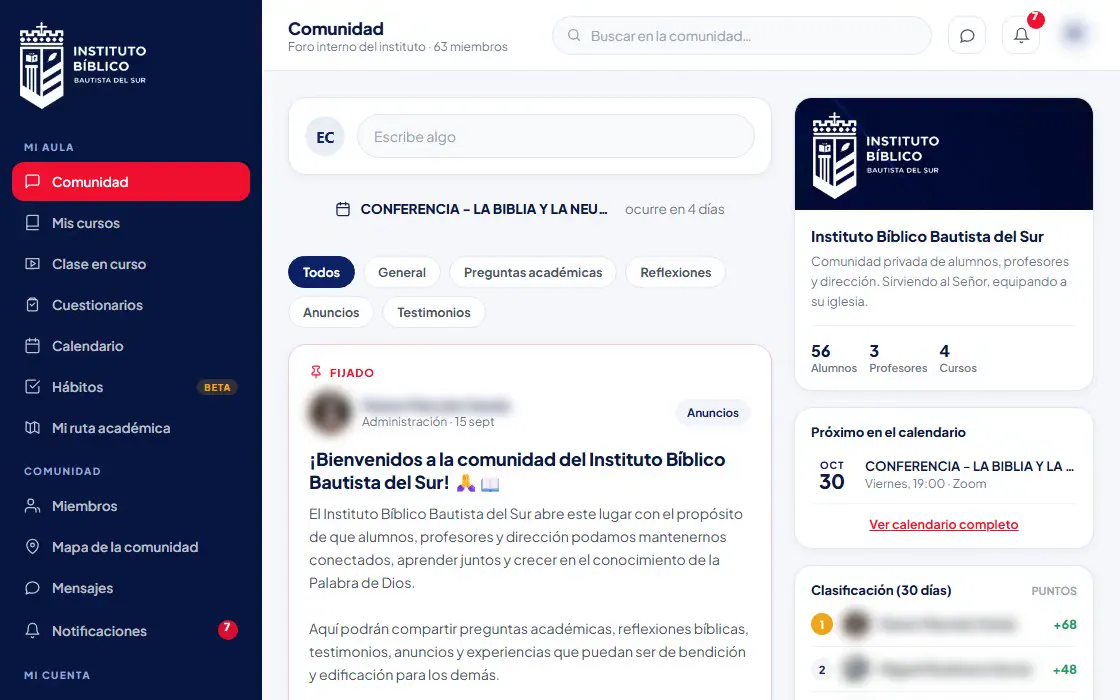 Education · PlatformInstituto Bíblico del SurA Bible institute with students in many cities: online admissions, role-based campus, fees and library.Read the case study →
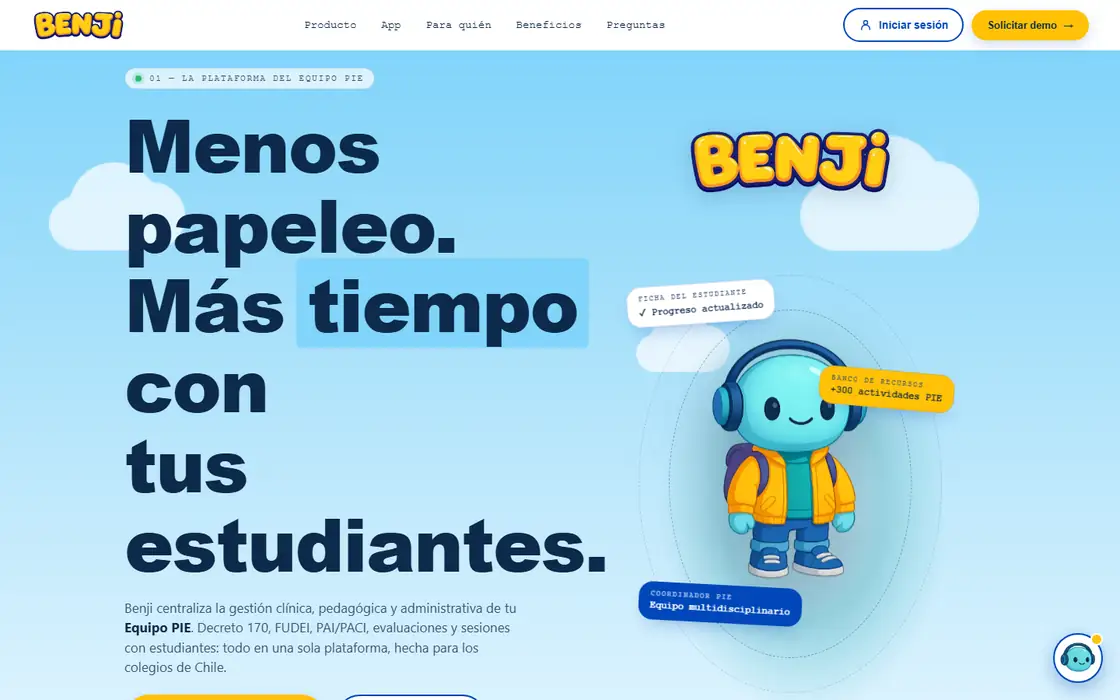 Education · PlatformBenjiPlatform for school special-education (PIE) teams in Chile: less paperwork, more time with students.Read the case study →
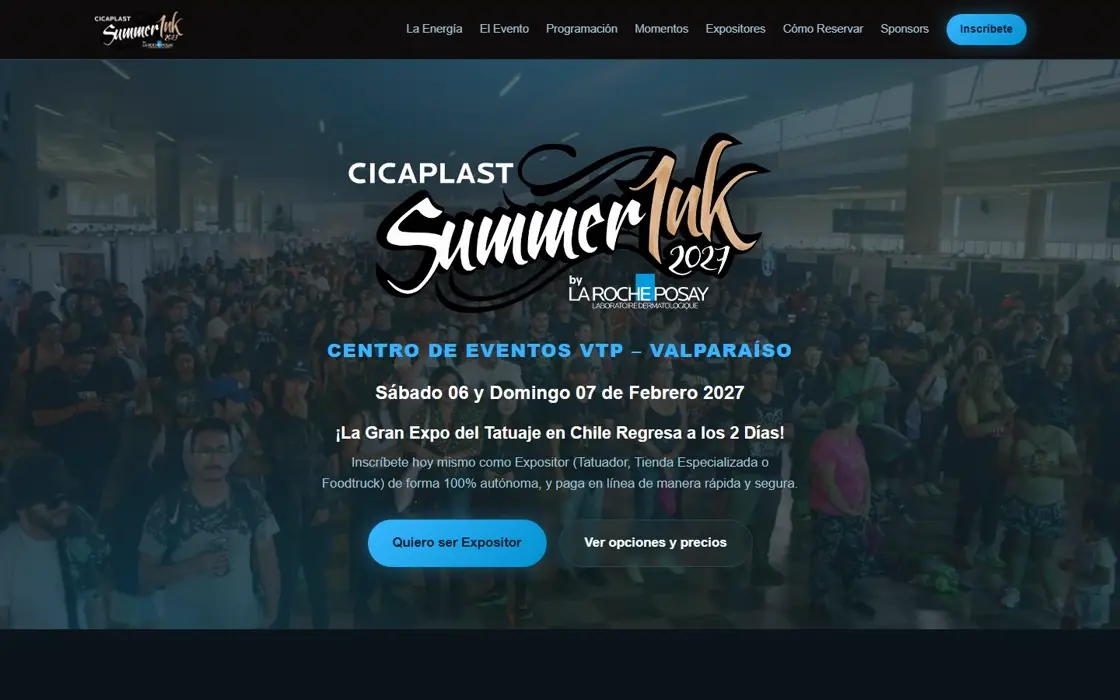 Events · RegistrationSUMMER INK 2027 · EvengyTattoo expo: artists, shops and food trucks register and pay online, no phone calls needed.Read the case study →
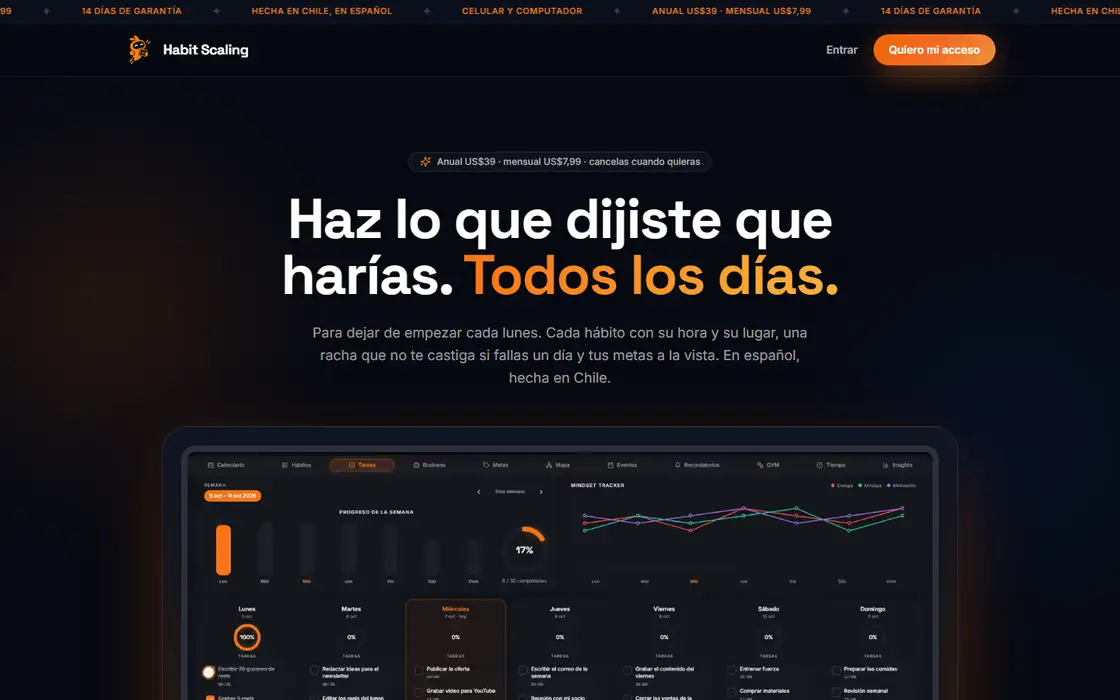 Own app · SubscriptionHabit ScalingMy own productivity app: designed, built and sold as a USD subscription.Read the case study →
How we work
From idea to live platform, without surprises
- 01
Free 30-minute assessment
You walk me through how things work today. I tell you what's worth building first and what can wait.
- 02
Written scope and fixed price
You get a clear scope, the build order and a fixed price. 50% to start, 50% on delivery; larger projects are split into milestones.
- 03
Working prototype in 72 hours
You see your platform with your branding, on your phone, before the second payment.
- 04
Built in stages
You get working modules from the first weeks, so real users can test them early.
- 05
Launch and support
I deploy, load your initial data, train your team and stay on for improvements with an optional monthly plan.
Investment
How much does a custom web app cost?
Most custom platforms land between $8,000 – $25,000, depending on the number of modules, roles and integrations. A simple app (for example, sign-ups with payments and a dashboard) sits at the lower end. We lock the exact price during the assessment. Full breakdown on the website and web app pricing page.
Only need a website that sells? See website design. Want inquiries answered automatically? See the AI WhatsApp chatbot.
FAQ
Frequently asked questions
What's the difference between a website and a web app?
A website informs and captures leads. A web app has users who sign in and do things: apply, pay, upload documents, check progress or manage orders. They're often built together.
How long does it take?
Six to ten weeks for most projects. You see a prototype in 72 hours and working modules within the first few weeks.
Do I own the code and the data?
Yes. The domain, the accounts and your users' data belong to you from day one.
You're based in Chile. How does working remotely work?
Everything happens over video calls, WhatsApp and a shared progress link. Time zones in Chile overlap with US business hours, so we can meet during your working day.
What happens after launch?
You get a short video on using your dashboard and an optional monthly maintenance and improvements plan, from $150 – $350 / month.
Let's talk.
Free 30-minute assessment. I'll tell you honestly whether I can help, what it costs and how long it takes.